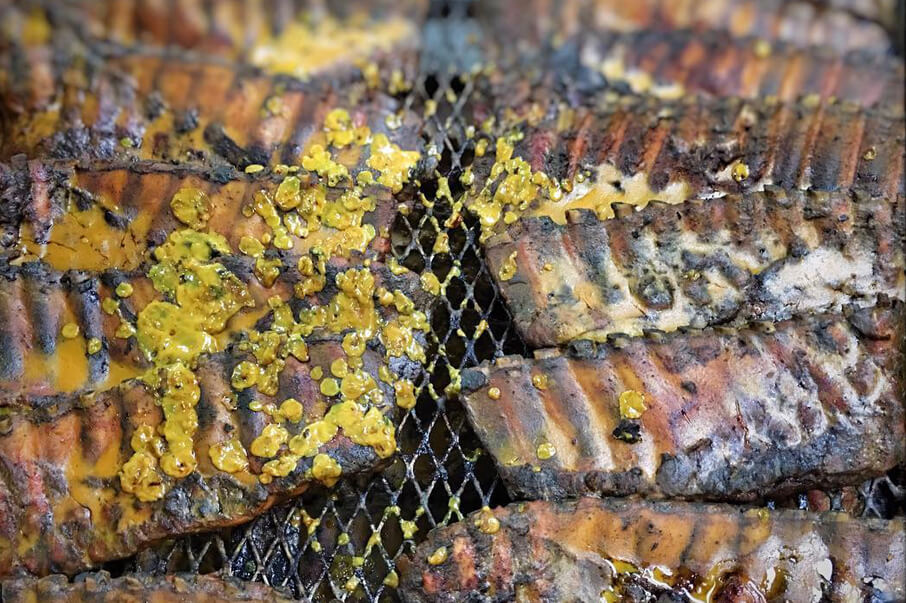
Few things beat the smell of smoky, sizzling barbecue on a warm Southern evening. At Maurice’s Piggie Park BBQ, barbecue isn’t just food—it’s a craft honed over decades. While nothing beats visiting our restaurants for that authentic South Carolina BBQ flavor, there’s something special about firing up your own grill and creating BBQ that leaves your friends and family coming back for more.
In this blog, we’ll share some expert tips to help you master the grill at home.
Start with Quality Meat
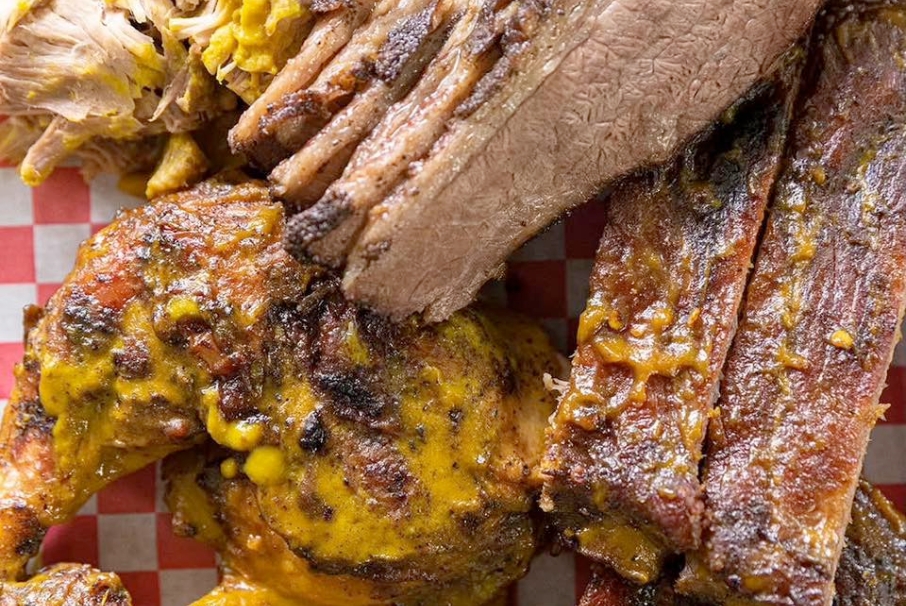
Your barbecue journey begins at the butcher counter. The best pork and beef ribs, brisket, or pork shoulder are characterized by good marbling and just the right amount of fat to keep the meat tender and flavorful. Fat is flavor—but don’t overdo it, or you’ll get flare-ups on the grill. Trim where necessary, but leave a little for juiciness and bark formation.
Know Your Grill
Whether you’re using charcoal, gas, or a smoker, understanding how your grill behaves is key.
- Charcoal: Offers that classic, smoky flavor. Cook indirectly for low-and-slow perfection.
- Gas: Fast and convenient; toss in wood chips for a hint of smoke.
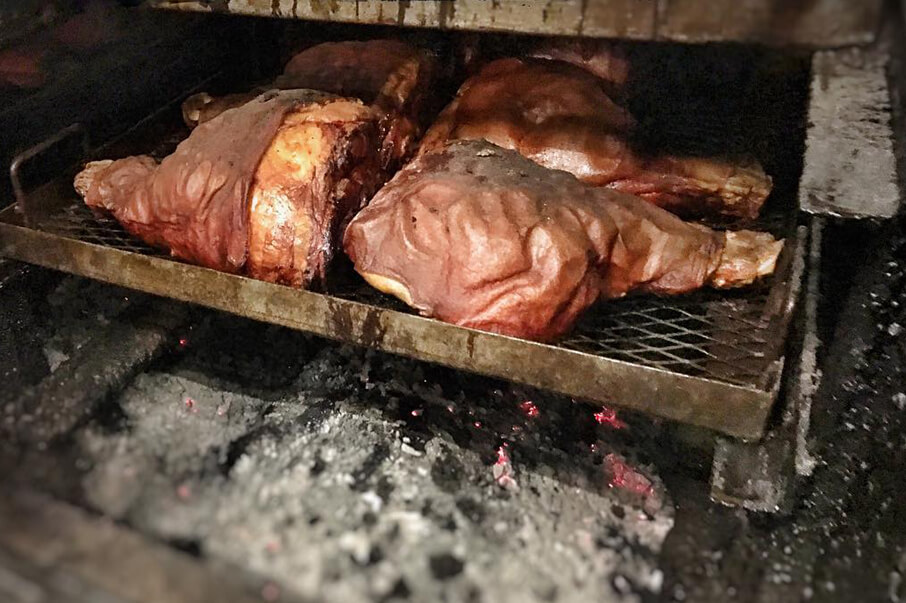
- Smoker: A slow-and-steady approach, usually between 225°F and 275°F, yields that tender, melt-in-your-mouth texture.
Tip: Preheat your grill every time—you’ll lock in flavor and get a better sear.
Master the Rub
Seasoning isn’t just sprinkling; it’s building layers of flavor. A simple dry rub, consisting of salt, sugar, paprika, garlic, and onion powder, can transform your meat. Apply at least an hour ahead—or overnight for a deep, infused flavor.
Low and Slow Wins
Patience is a pitmaster’s secret. Low temperatures over long cooking periods allow fat to render, connective tissues to break down, and smoky flavor to penetrate. Resist the urge to flip constantly—let the crust, or “bark,” form naturally.
Wood for Flavor
Wood chips make all the difference:
- Hickory: Strong and smoky, great for pork.
- Apple: Mild and sweet, perfect for poultry.
- Mesquite: Bold, earthy, ideal for beef.
- Pecan: Nutty, versatile, and slightly sweet.
Soak the chips for 30–60 minutes to prevent them from burning too quickly.
Use a Thermometer
Nothing ruins barbecue faster than guessing if it’s done. A thermometer ensures safety and perfect doneness:
- Pork shoulder: 195–205°F
- Brisket: 195–205°F
- Chicken: 165°F
- Ribs: 190–203°F
Always check the thickest part of the meat for the most accurate reading.
Sauce Strategically
Sauce adds flavor, but timing matters. Brush it on in the last 15–30 minutes of cooking to avoid burning. Start thin and layer after resting for the perfect glaze.
Rest Your Meat
Let it rest at least 10–15 minutes before slicing. This allows juices to redistribute, keeping each bite tender and flavorful. Tent loosely with foil—don’t wrap tightly, or the crust will get soggy.
Complement with Sides
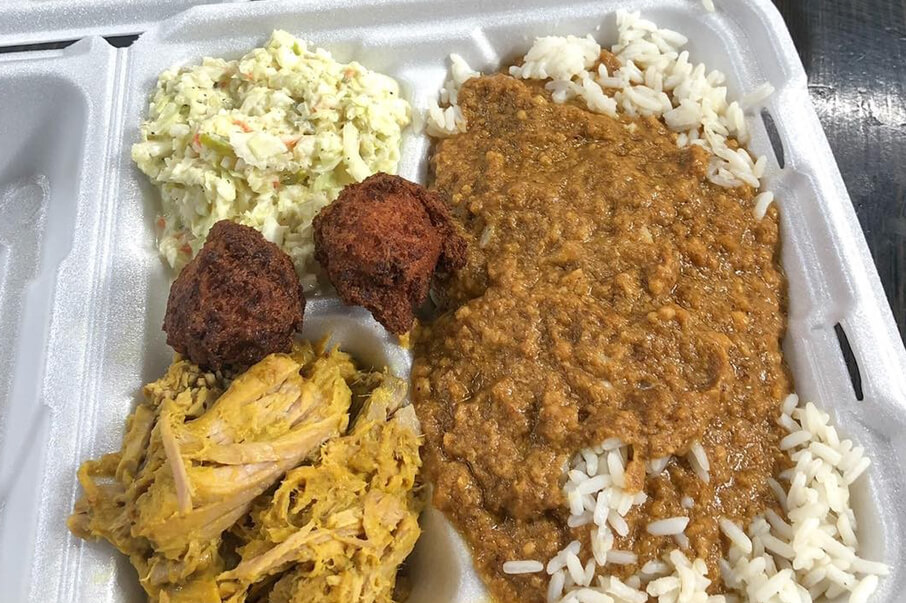
Barbecue is more than meat. Classic Southern sides, such as coleslaw, baked beans, macaroni and cheese, or cornbread, elevate the meal. Balance rich meats with tangy, light sides for a well-rounded plate.
Keep Experimenting
Barbecue is as much art as science. Try new rubs, smoking techniques, or flavor combinations. Track what works and refine your process—because even the best pitmasters never stop learning.
Don’t forget to pair it with our mustard-based barbecue sauce!
Grilling great barbecue takes time, attention, and a love for the craft. From selecting the right cuts to mastering the low-and-slow technique and allowing your meat to rest, every step counts.
At Maurice’s Piggie Park BBQ, we know the joy of sharing that smoky, tender flavor with family and friends. With these tips, you can turn every barbecue into an unforgettable event. And don’t forget to add a touch of our signature mustard sauce, available in-store or shipped nationwide.