When it comes to barbecue, people often focus on the meat, the sauce, or the sides. But anyone who’s ever stepped behind a pit knows the wood is the less obvious star of the show.
Southern barbecue isn’t just about cooking slowly—it’s about cooking over fire the right way, and the type of wood you choose changes everything. At Maurice’s Piggie Park, we rely on wood, and there’s a reason that method has stood the test of time in South Carolina barbecue.
Hickory: Sweet, Smoky, and Classic
Hickory has been a staple in Southern pit cooking for generations. Its smoke carries a rich, slightly sweet flavor that complements pork beautifully without overpowering it.
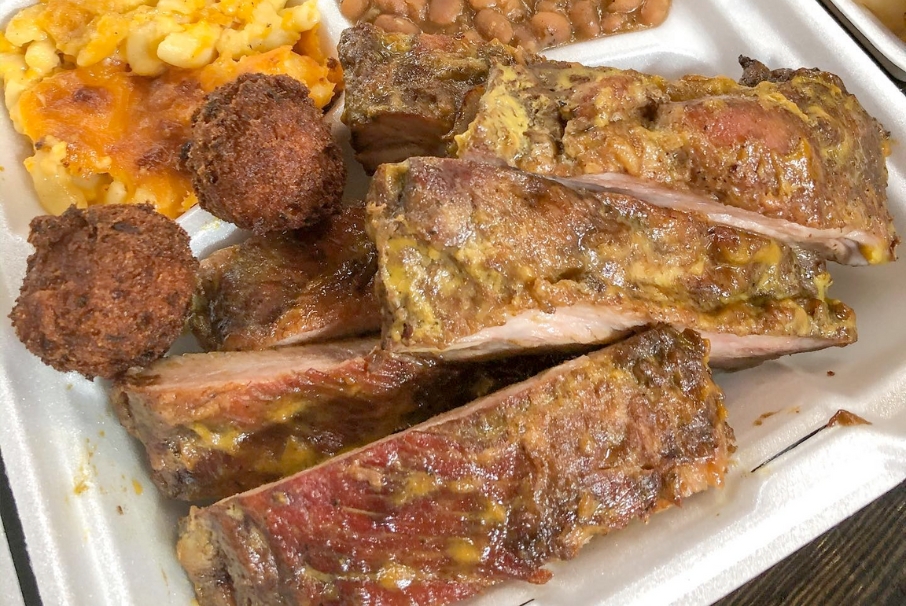
When a whole hog cooks over hickory embers, the smoke penetrates the meat, creating that deep, savory flavor people remember years later. Hickory burns hot and steady, which makes it ideal for long, slow cooks—perfect for pulled pork or ribs that fall right off the bone.
At Maurice’s Piggie Park, we’ve learned that the trick isn’t just the wood itself—it’s how it’s managed. You want consistent smoke, not a roaring flame, so that meat cooks evenly and absorbs just the right amount of hickory flavor.
Oak: Bold, Steady, and Versatile
Oak is another go-to wood for pitmasters, especially for longer cooking. Its flavor is stronger and earthier than hickory, giving smoked meats a robust backbone that pairs beautifully with bold sauces like our Southern Gold®.
Oak burns slower and longer, which helps keep the fire steady during long cooks, and its thick smoke carries heat evenly across a full pit of meat. It’s a favorite when you want depth without sweetness, adding a solid, unmistakable Southern note to every bite.
Why Wood Choice Changes Everything
The meat isn’t the only variable in pit cooking—the wood determines the smoke, aroma, and subtle flavor. Even the same cut of pork will taste different if it’s smoked over hickory versus oak. That’s why we don’t take shortcuts. Every fire is carefully fed, every log chosen with intention, and every cook is monitored to keep the smoke just right.
Wood also connects us to tradition. Every whiff of smoke that floats across our pits tells a story of South Carolina’s barbecue heritage, generations of pitmasters, and the care that goes into creating a plate of food that’s an experience.
Making It Yours at Home
You don’t need a commercial pit to understand the difference wood makes. If you’re smoking meat at home, try experimenting with different hardwoods, paying attention to:
- Smoke color and density: Light smoke gives subtle flavor; thick smoke can be overpowering.
- Burn time: Some woods burn faster or hotter, which changes cooking times.
- Flavor pairing: Hickory is sweeter, oak is stronger—match your wood to your meat and sauce.
It’s a reminder that barbecue is as much about care and intention as it is about ingredients. The wood, the fire, and the timing all work together to create that iconic Piggie Park flavor people keep coming back for.
Stop By Maurice’s Piggie Park for Pit-Cooked Columbia BBQ
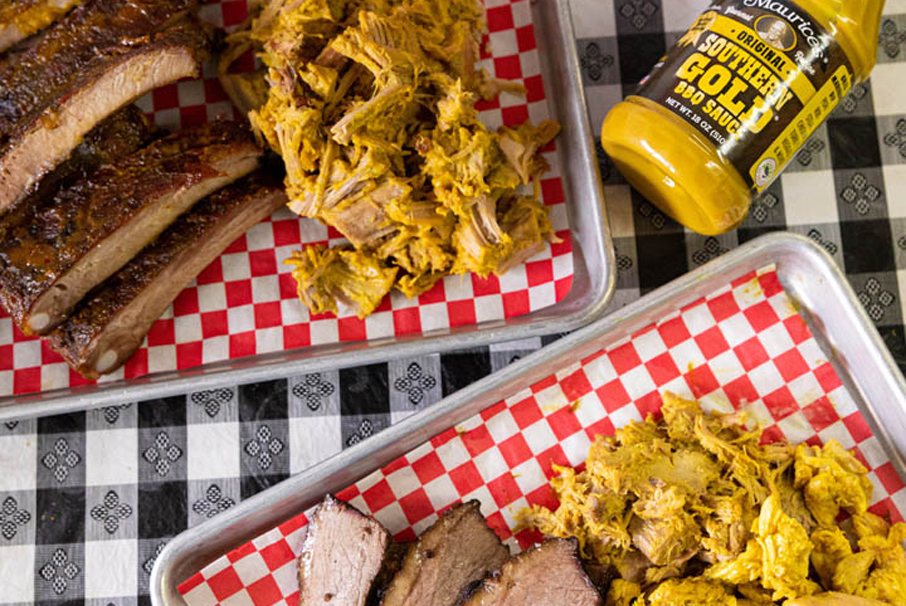
Next time you bite into a smoky plate of Piggie Park pork, ribs, or brisket, remember it’s not just the sauce or seasoning that makes it unforgettable. It’s the wood—options like hickory and oak shape flavor, heat, and history.
Pit cooking is a craft, and at Maurice’s Piggie Park, our chefs treat it that way. Browse our menu and explore our locations today.